Who Will Be Released?

The release of political prisoners in exchange for easing sanctions — according to The Atlantic, this is the initiative proposed by US special envoy John Coale. For prisoners and their families, even the possibility of such talks offers hope. But many questions remain: who might be released, on what terms, and what will happen to everyone else?
Laura Janda, a professor at UiT The Arctic University of Norway, examines these questions in an opinion piece published by The Barents Observer on October 3.
Janda supports the goal of freeing people but is concerned about the consequences of the proposed deal. In her view, the prospect of receiving economic concessions in exchange for releasing prisoners could encourage further arrests. The resources Russia gains through sanctions relief could also help finance the continuation of the war.
Another question is how those to be released would be selected. There is no complete list of people facing politically motivated persecution. Human rights defenders collect and verify information, but many cases never become known. Even a large exchange would therefore leave many people behind bars.
The author also draws attention to life after release. Former prisoners will need somewhere safe to live, medical treatment, psychological support, and the opportunity to work again. These needs should also be part of the negotiations.
Meanwhile, on September 30, Dmitry Peskov said that the Kremlin denies the existence of political prisoners in Russia and that their release in exchange for sanctions relief had not been discussed. He did, however, confirm contacts between Russian and American intelligence services concerning prisoner exchanges, as reported by The Moscow Times.
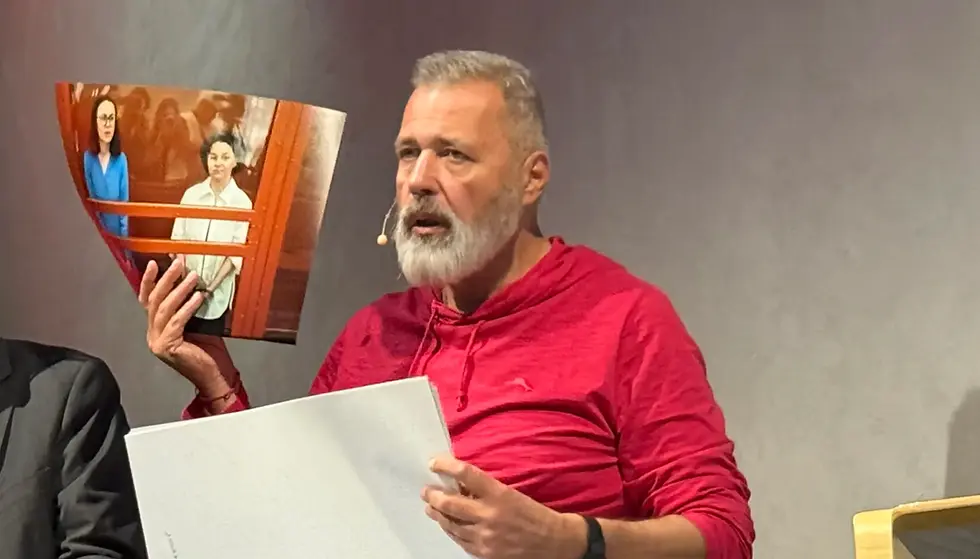
For the campaign supporting Daria Egereva and Natalia Leongardt, the question of whose names will be heard when releases are discussed is particularly important. Daria spent many years representing Indigenous Peoples at international forums. Natalia helped communities defend their rights, develop educational programmes, and build partnerships. Both have been held in detention since December 2025.
We do not know whether their names are being discussed in negotiations. It would therefore be premature to suggest that their release has been agreed upon. But efforts to draw attention to their case are needed now.
Media coverage, appeals from human rights defenders, and letters of support cannot guarantee their release. They help explain who Daria and Natalia are, what their work involved, and why people in different countries are calling for their freedom.
Free Daria and Natalia!


Comments