UN Hearing Highlights Systemic Criminalization of Indigenous Rights Defenders


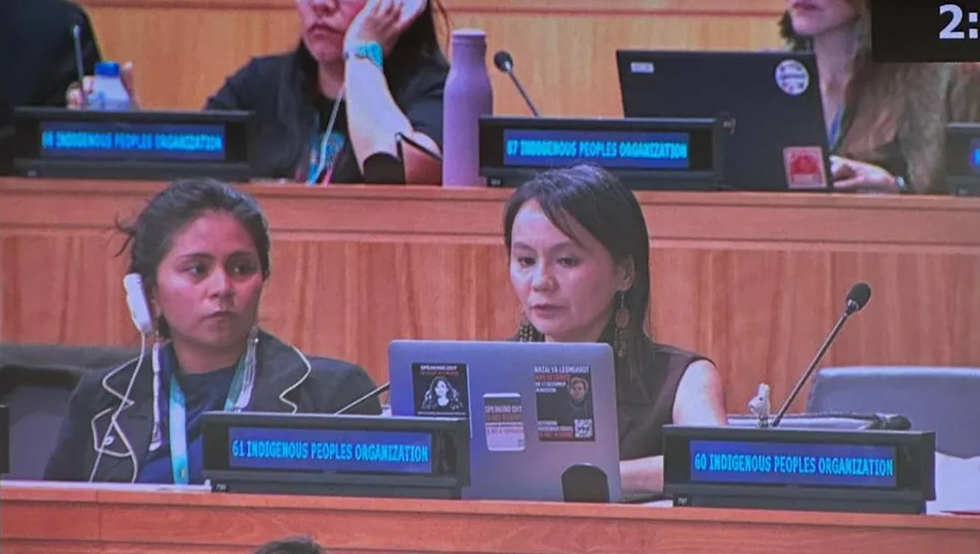
A special event held on the margins of the 25th session of the UN Permanent Forum on Indigenous Issues has drawn attention to the growing repression of activists from Indigenous small-numbered peoples. Participants called for urgent international action, stating that in several countries, including Russia, human rights advocacy is effectively being equated with criminal offenses.
The event, titled "Repressions against Indigenous Human Rights Defenders: Misapplication of Security Legislation and Restrictive Laws," was organized by the Batani International Foundation for the Development of Indigenous Peoples together with the International Committee of Indigenous Peoples of Russia.
'A System of Institutional Control'
Speaking at the forum, Pavel Sulyandziga, Chair of the Batani Foundation, stated that Russia has systematically built a system over the past decade and a half aimed at destroying independent Indigenous leadership.

"Since 2010, a system of institutional control has been consistently built in Russia, aimed at destroying the independent leadership of Indigenous peoples," Sulyandziga emphasized.
According to him, a key step was the establishment of state control over the Russian Association of Indigenous Peoples of the North, Siberia, and the Far East, which effectively dismantled the independent human rights movement.

UN Permanent Forum member Aili Keskitalo highlighted the global nature of the problem. "Criminal law is increasingly being used as a tool to suppress legitimate human rights activities. When participation in public life becomes dangerous, it indicates a deep systemic failure," she said.
Testimony from Tomsk Region
Particular resonance came from the testimony of Olga Kostrova, an activist of the Chulym people from Russia's Tomsk Region. She described events of December 17, 2025, when, she said, a coordinated wave of searches, interrogations, and detentions took place across the country.

"Today, human rights activism is effectively equated with a crime," Kostrova stated. "People are not persecuted for crimes, but for defending their rights, land, and culture."
The activist emphasized that the goal of these actions is intimidation and demonstrating that even participation in international mechanisms, including UN platforms, can become grounds for criminal prosecution.
"The cases of Daria and Natalia are not isolated incidents. They are part of a broader campaign of pressure on the independent human rights community. This is a signal to others: do not speak out, do not defend, do not speak," she added.
Kostrova also drew attention to the gender dimension of the problem, noting that a significant portion of those persecuted are women human rights defenders on the front lines of environmental protection.

International Response
Speaking on behalf of the Nordic countries, Sigrid Ina Simonsen, State Secretary of Norway, called on the Russian Federation to immediately cease the practice of persecuting human rights defenders.
"The increase in threats, intimidation, and repression against human rights defenders is deeply concerning and requires an international response," Simonsen stated.

Alicia Moncada, Director of Advocacy and Communications at Cultural Survival, called the situation a dangerous tool for legal exclusion: "Labeling human rights defenders as terrorists is a tool for excluding them from the legal framework and silencing their voices."

An even sharper assessment came from Joan Carling, Executive Director of Indigenous Peoples Rights International (IPRI): "The criminalization of Indigenous peoples has nothing to do with security. It is a mechanism for controlling territories, resources, and political influence."


Calls for International Action
Participants issued a statement calling on the international community to:
- Stop the practice of criminalizing Indigenous human rights defenders;
- Strengthen international monitoring and public pressure;
- Ensure access to justice and protection mechanisms;
- Bring national legislation into compliance with international human rights standards.
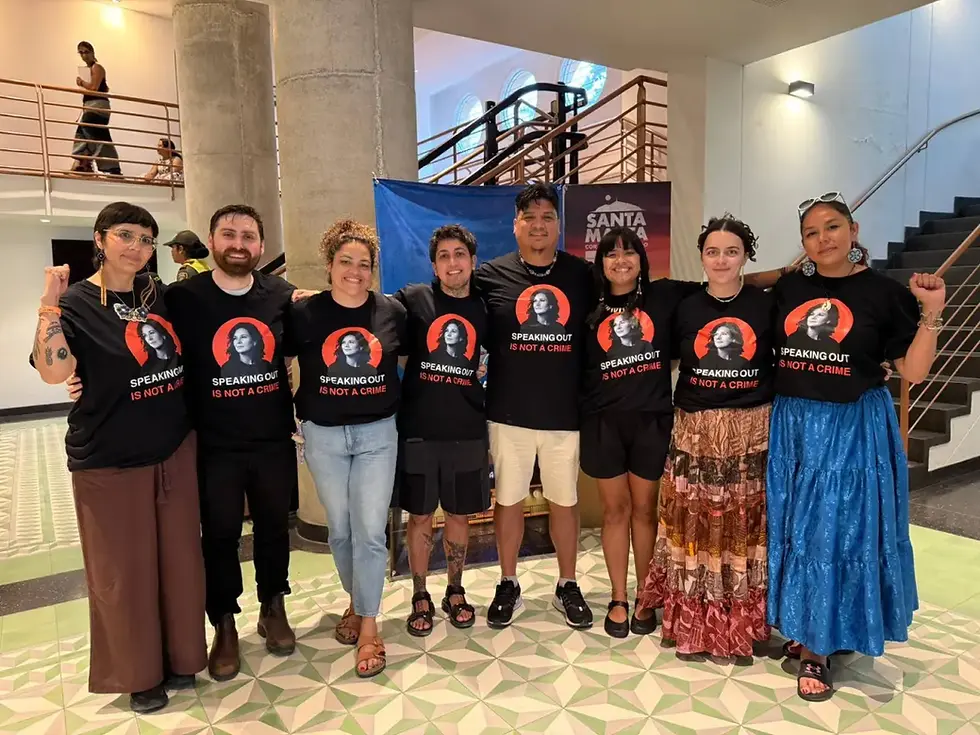
"Publicity is protection. International attention can save lives," participants emphasized, adding that silence under such conditions amounts to complicity.
Free Daria Egereva! Free Natalia Leongardt!


Comments