The Independent: Behind Russia’s Arctic Pavilion at COP31, Independent Voices Face Repression


A pavilion — and two absent colleagues
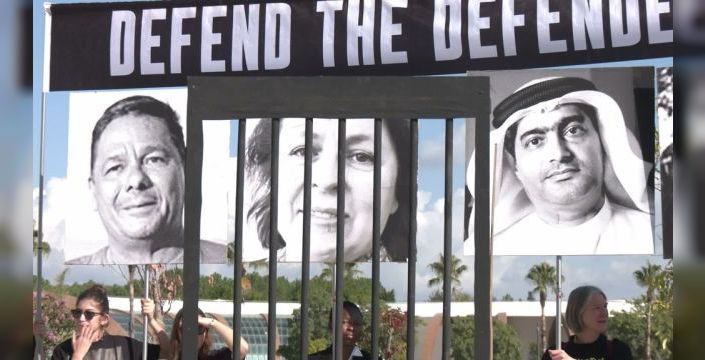
Ferris speaks with Vyacheslav Shadrin, chair of the Yukaghir Council of Elders, and Udege representative Viktor Suliandziga-Bagat. They describe the gulf between Russia’s Arctic messaging and the experiences of Indigenous communities. The report also addresses the continued imprisonment of Daria Egereva and Natalia Leongardt and the solidarity actions held at COP31.
For us, their absence raises a practical question about participation: who can bring knowledge, experience and community concerns into negotiations when independent representatives are imprisoned? Keeping their places visible is one way of insisting that their contribution remains necessary.
Who gets to represent Indigenous Peoples?
These questions belong together. Meaningful participation requires more than a delegate’s presence at a conference: communities must be able to choose their representatives, question official policies and speak without fear of retaliation. The freedom of those representatives is part of the credibility of the process itself.
Climate advocacy needs independent voices
Shadrin’s account also returns attention to changing ice, fishing and hunting conditions, and the pressures climate change places on Arctic ways of life.
This is why the cases of Daria and Natalia matter to climate negotiations. Defending the right to speak enables the discussion of land, livelihoods and knowledge that those negotiations need. Their release and safe participation would restore a contribution that no official exhibition can replace.


Comments