Letters of Solidarity at COP31: Climate Justice Event Supports Daria Egereva


On 18 November, a meeting at the People’s Summit during COP31 in Antalya explored the role of environmental human rights defenders in achieving climate justice. Amnesty International researchers and activists discussed the impacts of fossil fuel extraction, pressure on civil society and the importance of international support.
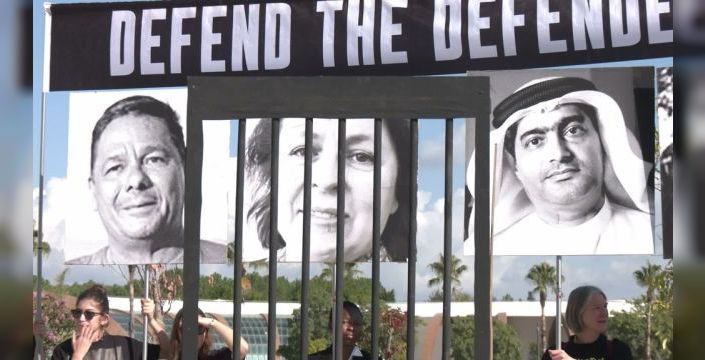
The meeting concluded with an invitation to write letters and solidarity messages to three defenders: Daria Egereva, who remains imprisoned in Russia; Alexandre Anderson, a fisher from Brazil; and Leonela Moncayo, a young activist from Ecuador campaigning against gas flares near Amazonian communities.
Climate justice requires the protection of human rights
The meeting examined why human rights are essential to a just transition away from fossil fuels. Contributions from activists from Türkiye, Madagascar, Kenya and Brazil connected the international climate agenda with the experiences of people defending their territories, health and livelihoods.
The extraction of oil, gas and other resources affects community life. Water and air pollution, changing landscapes and the loss of access to traditional territories can be accompanied by restrictions on protest and participation in decisions. When defenders face intimidation and persecution, communities find it even harder to secure respect for their rights.
For Indigenous Peoples, these questions also concern the survival of cultures, knowledge and ways of life. Respect for land and territorial rights, meaningful participation in decision-making and protection for independent representatives must therefore be part of climate policy.
Alongside these challenges, participants discussed opportunities for collective action: community organizing, cooperation between movements and solidarity across borders.
Stories from Brazil and Ecuador
Contributions in the room were complemented by video testimonies from environmental defenders.
These testimonies show how protecting the climate is connected to everyday needs: breathing clean air, accessing safe water, fishing and living on one’s land.
Daria Egereva among those receiving support
At the end of the meeting, participants were invited to turn discussion into action by writing letters and solidarity messages to Daria, Alexandre and Leonela.
For us, it is especially significant that Daria Egereva’s name was raised at a meeting on climate justice. She spent many years representing Indigenous Peoples in international climate work. Now, while she is imprisoned, her colleagues and conference participants continue to speak about her and support the call for her release.
The circumstances of the three defenders differ. But each story reminds us that climate negotiations concern real people. Their freedom to work, organize and defend their communities is essential to decisions that respect the rights and interests of those affected.
A letter as a continuation of solidarity

Writing letters together gave the meeting a practical continuation. Taking part does not require being a negotiator or representing an organization: people can offer support beyond the conference.
Letters do not replace demands directed at authorities and companies, but they help maintain connections with people facing persecution. They offer a way to say: your work is seen, you are remembered, and you are not alone.


Comments