Documentation as Protection: Persecution of Indigenous Peoples Discussed at EMRIP
- André Ejankour
- Jul 16
- 2 min read

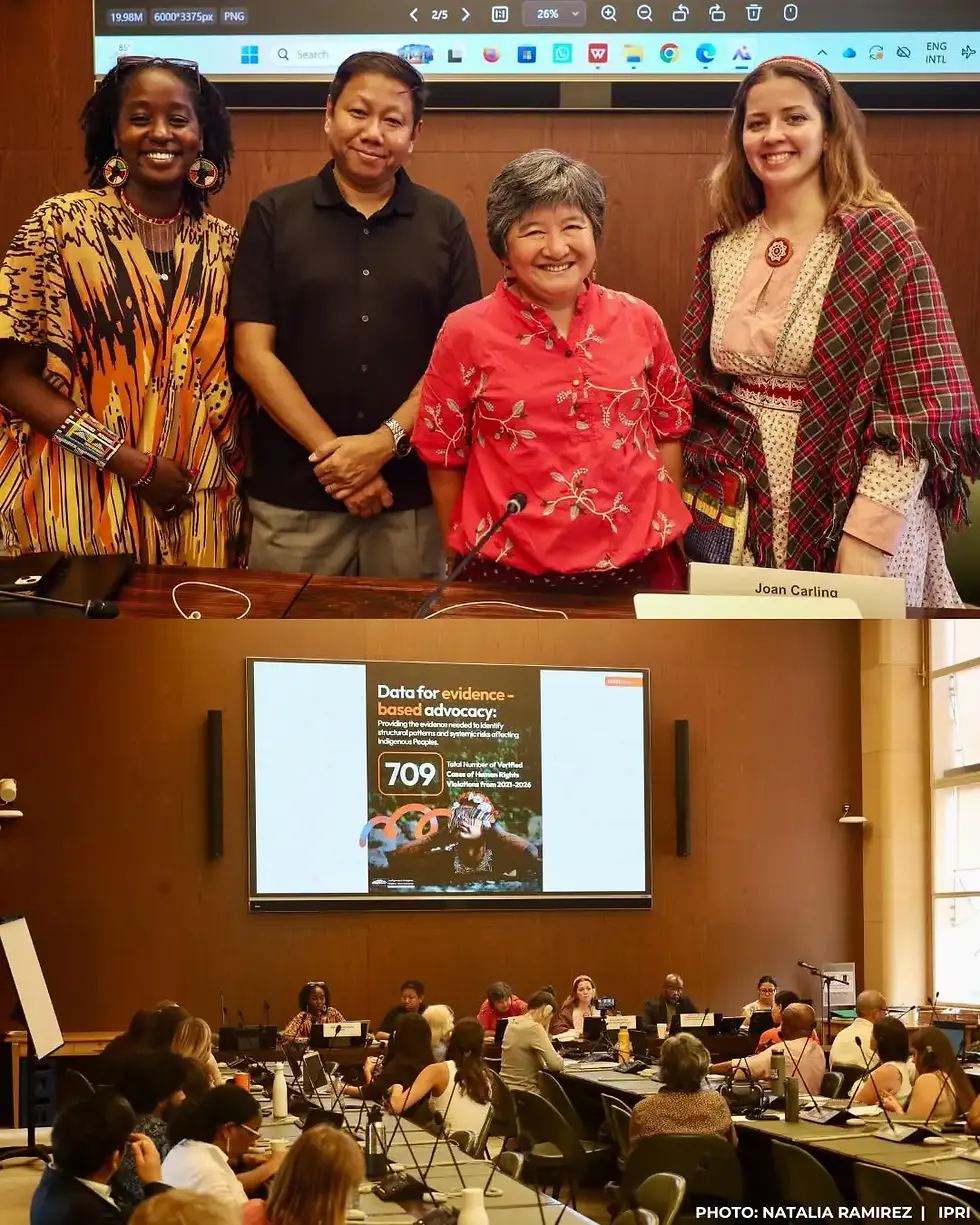
During the 19th session of the UN Expert Mechanism on the Rights of Indigenous Peoples (EMRIP), a side event titled "Protecting Territories, Protecting Defenders: The Role of Documentation and Indigenous Data Sovereignty" brought together Indigenous leaders, experts, and representatives of international organizations. Participants discussed how documentation of violations and data sovereignty help protect the rights of Indigenous peoples and those who advocate for them.
The speakers at the event included UN Special Rapporteur on the Rights of Indigenous Peoples Albert Kwokwo Barume, Indigenous rights lawyer Dilip Kanti Chakma, Executive Director of the International Peoples' Rights Institute (IPRI) Joan Carling, representative of the Saami Women's Forum Maria Michurova, and IPRI Coordinator for Documentation and Advocacy in Africa Nekoyta Nauankas.
Particular attention was paid to the fact that data sovereignty enables Indigenous peoples to independently document human rights violations, strengthen international advocacy, and protect human rights defenders who increasingly face threats and criminalization.
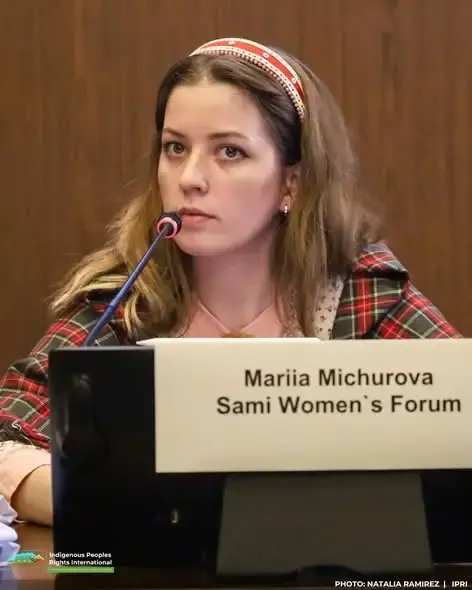
In her address, Maria Michurova spoke about the events of December 17, 2025, when searches and detentions of Indigenous representatives took place across Russia. At least 17 people were subjected to investigative actions, Daria Egereva and Natalia Leongardt were arrested, and many activists were subsequently forced to leave the country.
According to her, the criminal case against Daria Egereva and Natalia Leongardt creates a dangerous precedent. "It sends a signal that documenting violations and engaging with international human rights mechanisms can itself become grounds for criminal prosecution," she emphasized.
Maria Michurova also presented the findings of research conducted by the NGO Arktica, the Batanai International Solidarity Fund, and the International Indigenous Peoples Committee on the displacement of independent Indigenous representatives from international processes.
"Documentation carried out by Indigenous peoples themselves is much more than technical work. It is a tool of protection and advocacy. It is a way to preserve the truth when states try to silence independent Indigenous voices," she stated.

In conclusion, Maria Michurova called on the international community to support documentation initiatives and strengthen cooperation among UN mechanisms to protect Indigenous human rights defenders.
"This is not just about two women or one organization. It is about whether Indigenous peoples will be able to continue documenting the truth, protecting their rights, and ensuring that future generations know what happened."
Summing up the discussion, participants noted that without data sovereignty, Indigenous peoples cannot fully protect their territories, traditional knowledge, and collective rights. When the collection and use of information are carried out without their participation, they lose control over data about their communities. For this reason, the documentation of violations and the right of Indigenous peoples to manage their own data were named as key tools for protecting human rights.
Photo: Natalia Ramirez (IPRI)


Comments